
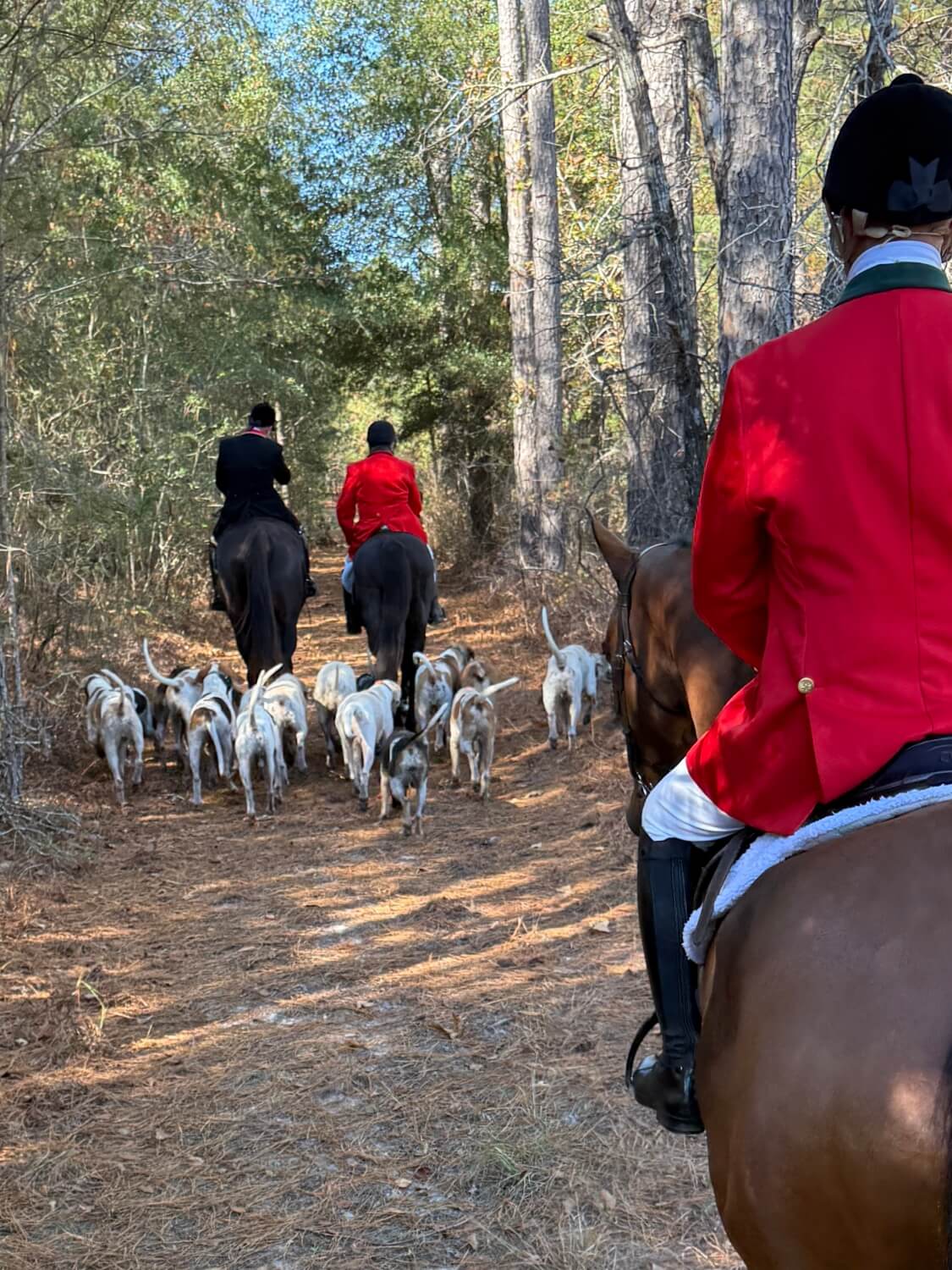
There is nothing quite like a day in the hunt field. The excitement of gathering with fellow riders, the sound of the hounds, the beauty of the countryside, and the traditions that make foxhunting such a special sport all contribute to an unforgettable experience. But whether you’re a seasoned foxhunter or heading out for your first day in the field, safety should always come first. A successful hunt is about more than a good ride. It requires preparation, awareness, courtesy, and a partnership between horse and rider. As hunt season gets underway, it’s a good time to revisit some important guidelines that help keep horses, riders, hounds, and staff safe.
Before You Enter the Hunt Field
A safe day begins before you ever mount up. Proper preparation helps prevent unnecessary distractions and allows everyone to enjoy the day.
Arrive early and be ready. Plan to be mounted at least 15 minutes before hounds are scheduled to move off. This gives you time to check your tack, adjust your equipment, and listen to any instructions from the Field Master. Riders should not leave others to catch up once the field is underway.
Know your horse. Make sure your horse is fit, conditioned, sound, and appropriately prepared for the demands of hunting. Check tack for proper fit and wear, inspect your equipment, and ensure your horse is comfortable and ready for the day’s activities.
Dress and equip appropriately. Wear an approved riding helmet, proper footwear, and appropriate hunting attire. Check that stirrups, girths, reins, and other equipment are secure before setting out.
Check in with hunt staff. Guests should introduce themselves to the Field Secretary or a Master and take care of any required capping fees or releases before the hunt begins. Don’t hesitate to ask questions if you’re unfamiliar with the property’s rules or the day’s expectations.
Safety and Courtesy in the Field
Once the hunt is underway, every rider plays a role in maintaining an organized and safe field.
Follow the Field Master. The Field Master is responsible for directing the field and determining where riders should go. Follow instructions, maintain your position, and avoid making independent decisions that could interfere with the group.
Maintain proper riding position. Riders should generally remain behind those with colors unless invited to ride elsewhere. Junior riders typically remain toward the rear unless directed otherwise. Avoid allowing large gaps to develop, and be mindful of the horses and riders around you.
Be aware of your surroundings. Keep a safe distance from other horses, especially when riding behind unfamiliar horses. Be mindful of kicking tendencies, maintain control of your horse, and communicate potential hazards to those around you. Always give other riders enough room to maneuver safely.
Respect gates and property. Leave gates as you find them. Gates that are closed should be securely closed after passing through, including any designated latches or double snap locks. Follow specific property instructions and be considerate of landowners who make hunting possible.
Keep cell phones put away. Phones should be turned off or silenced and used only when necessary, particularly in an emergency.
Give hounds room to work. Never speak to, approach, or interfere with hounds unless directed by the huntsman or staff. When hounds are hunting or at a check, remain quiet. Noise and unnecessary movement can distract hounds when they need to concentrate.
Let hunt staff handle concerns. Avoid offering unsolicited riding or etiquette advice in the field. If you notice a potentially dangerous situation or something that needs attention, bring it to the Field Secretary or a Master so it can be addressed appropriately.
And, of course, remember to thank the huntsman, staff, and Field Master at the end of the day. Their hard work makes every day in the field possible.
Don’t Forget the Horse’s Safety
While much of hunt etiquette focuses on rider behavior, the horse’s physical and mental well-being deserves just as much attention. Hunting can be demanding. Horses may encounter unfamiliar terrain, water crossings, livestock, wildlife, hounds, other horses, and unexpected sights and sounds. Even experienced hunt horses can become excited or distracted in a stimulating environment.
A few important reminders can help keep your equine partner comfortable and safe:
- Build fitness gradually. Make sure your horse has the conditioning and stamina needed for the length and intensity of the hunt.
- Prioritize hydration and nutrition. Provide appropriate access to water and forage before and after hunting, and allow adequate time for recovery.
- Watch for signs of fatigue or discomfort. Changes in movement, breathing, behavior, or responsiveness may indicate that your horse needs a break.
- Don’t overlook mental preparation. Exposure to new environments, sounds, and situations can be challenging. Regular, positive experiences outside the hunt field can help build confidence.
- Know when to call it a day. A horse that is tired, overly anxious, or uncomfortable may be more difficult to manage. Recognizing when your horse needs a break is an important part of responsible horsemanship.
The Role of StressLess® in a Safe Hunt Season
Physical conditioning is only part of preparing a horse for hunting. Mental focus and the ability to remain attentive in an exciting environment are important, too. The hunt field can present plenty of stimulation. Hounds moving off, horses gathering, riders navigating new terrain, and unexpected sights and sounds can all contribute to excitement and distraction.
This is where StressLess® Horse Supplement can be a helpful part of your horse’s preparation routine. StressLess® is a non-herbal supplement featuring casein hydrolysate, designed to promote focus and support a relaxed, attentive horse. Rather than sedating your horse or dulling awareness, StressLess® supports a healthy response to everyday stressors while helping horses remain present and engaged. For hunt horses, that distinction matters. Riders need horses that are attentive to their cues, aware of their surroundings, and able to respond appropriately as situations change.
Incorporating StressLess® into a consistent daily routine may help support your horse’s ability to manage the stimulation of hunt season. As with any supplement, follow the recommended feeding directions and allow time for consistent use. Of course, no supplement replaces proper training, conditioning, good horsemanship, or responsible riding. StressLess® is simply another tool to consider as part of a well-rounded approach to equine wellness and preparation.
A Safer Hunt Is a Better Hunt
Foxhunting is built on tradition, sportsmanship, and a shared appreciation for horses, hounds, and the countryside. Following established field etiquette, respecting hunt staff, preparing our horses, and looking out for one another help preserve those traditions for everyone. Whether this is your first season or your fiftieth, take a few moments to review hunt guidelines, check your equipment, assess your horse’s readiness, and make thoughtful decisions throughout the day. Because the best days in the hunt field are the ones when everyone—horses, riders, hounds, and staff—returns home safely.
Here’s to a wonderful hunt season filled with good sport, great company, and happy, healthy horses! Tally Ho!
Help your horse stay focused through the excitement of hunt season.
Learn more about StressLess® Horse Supplement at StressLessHorsesSupplement.com.