
Riding on a Razor’s Edge: Understanding the Risks of Sedating Your Horse Before the Hunt
Blog Correction:
The original version of this blog post published on October 16th, 2025 stated that “StressLess® also contains a targeted blend of magnesium, taurine, thiamine (vitamin B1), and L-tryptophan, which are all known to support nervous system function and help reduce anxiety, reactivity, and tension.”
Unfortunately, instead of listing out different calming ingredients on the market in other products as intended, they were included as ingredients in StressLess®. To be clear, StressLess® absolutely does NOT contain tryptophan, B12, or magnesium in any form, and the formula remains exactly the same as when it was launched many years ago. StressLess® is manufactured in a cGMP, FDA-inspected manufacturing facility. This means every ingredient must be listed on the label, and every batch is tested for purity, strength, and integrity.
The thrill of a hunt is hard to match: hounds in full cry, the thunder of hooves across open country, and the deep tradition shared among foxhunters. But with that excitement comes the very real need for safety for both horse and rider. One growing concern in the foxhunting community is the quiet but widespread use of sedatives like acepromazine (commonly called “Ace”) to manage fresh or anxious horses. While it might seem like a harmless fix, especially for newer riders, those returning to riding later in life, or those working with high-energy mounts, the risks are far greater than many realize.
Sedatives like Ace are tranquilizers. They work by dulling the horse’s central nervous system, reducing physical and mental responsiveness. While this might sound like a good way to keep an excitable horse under control, the reality is more complex and potentially dangerous.
“Ace doesn’t address the underlying cause of the horse’s behavior,” explains Dr. Miles Hildebrand, DVM, owner of Hildebrand Performance Equine in Wellington, FL. “It simply masks the response by making the horse less able to react. But a sedated horse is still feeling everything. He is just slower to process and respond. That can delay his reaction time when he needs it most.”
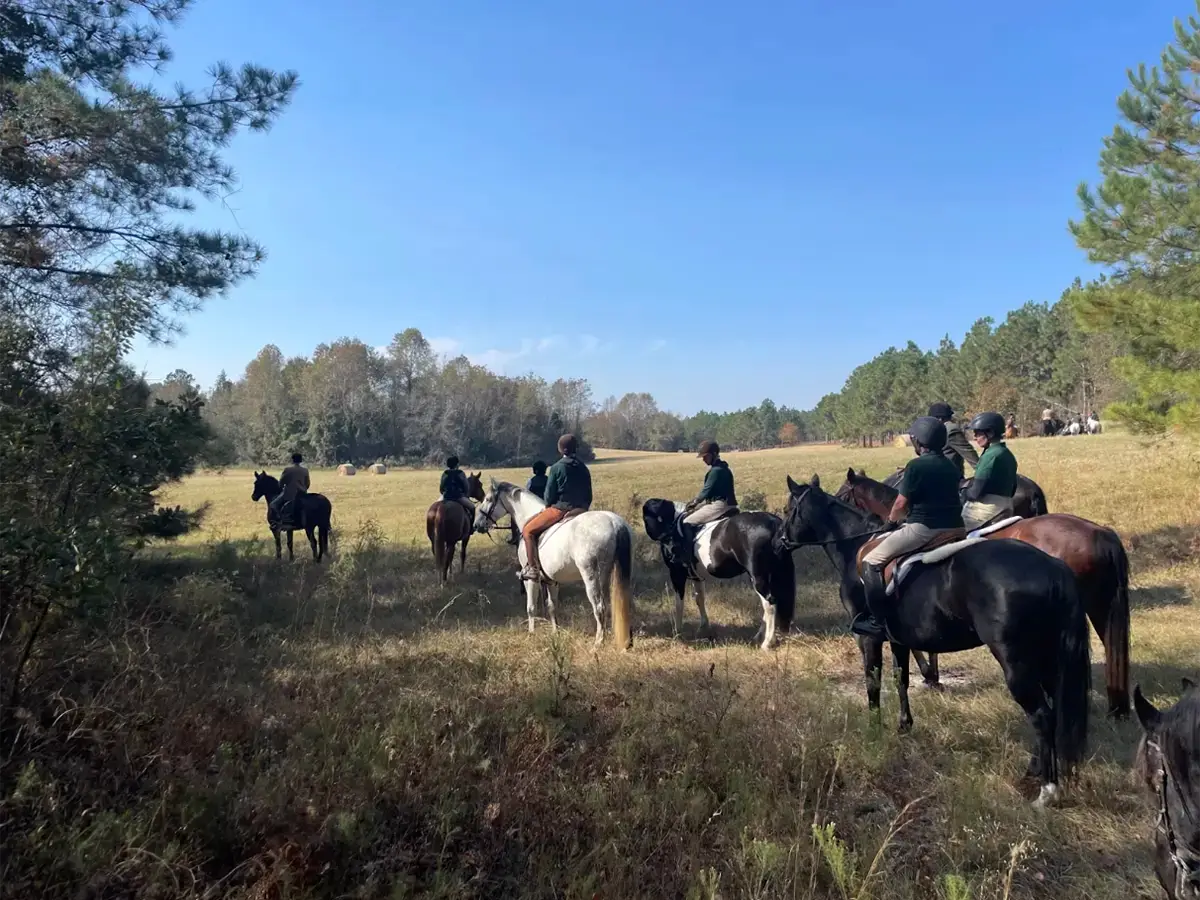
In a dynamic, unpredictable environment like a hunt field, delayed reaction time can spell disaster. Imagine a horse that is too dulled to respond to uneven ground or a sudden HOLD HARD. It’s a recipe for injury for both horse and rider.
Many riders mistakenly believe that using small amounts of Ace is a harmless shortcut to calmness. But sedatives come with significant risks:
- Loss of coordination and impaired balance: Ace can make it harder for horses to navigate uneven terrain or jumps safely.
- Increased startle reflex: Ironically, some sedated horses become more reactive, not less, because they sense something is off in their bodies.
- Dehydration and circulatory issues: Especially during warmer hunts, sedatives can interfere with thermoregulation and blood pressure.
- Unpredictable responses: Dosing isn’t exact, and the same horse can react differently on different days.
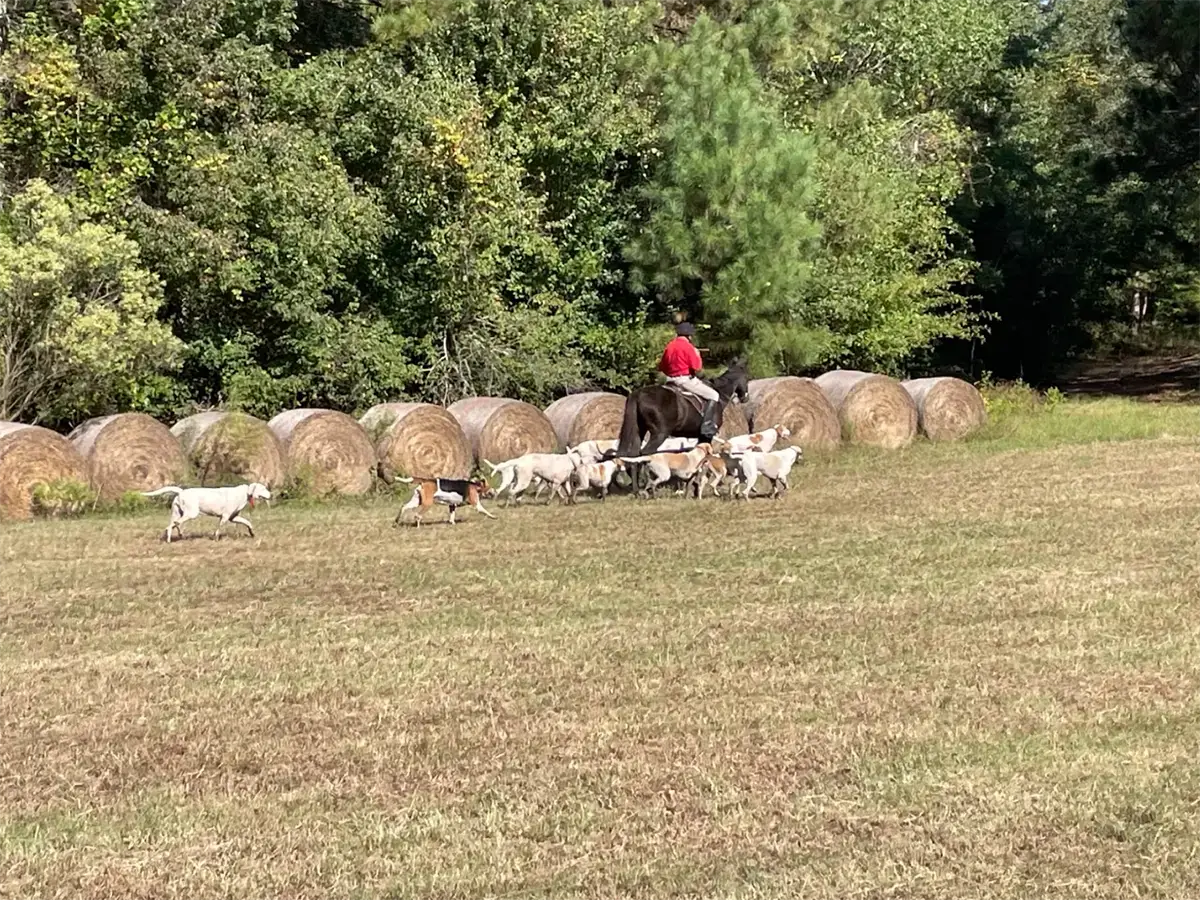
Understanding that sedatives are risky doesn’t mean you’re stuck with a hot, nervous horse. Fortunately, there are more responsible, long-term approaches to managing equine anxiety and excitability.
Training, exposure, and good horsemanship are foundational, of course. But for horses that remain sensitive or easily overstimulated, calming supplements offer a safer alternative. However, you should always check with your veterinarian before adding a calming supplement to your horse’s regimen, especially if your horse is competing under USEF or FEI regulations.
Here are some of the most common ingredients used in equine calming products, along with what they do:
- Casein: A milk-derived protein that produces soothing peptides during digestion. Known to reduce stress responses in horses, dogs, and even humans without impairing motor function.
- Magnesium: A vital mineral that supports muscle relaxation, neurological stability, and overall composure. A deficiency can cause muscle tension and irritability.
- Valerian Root: An herbal sedative used for calming anxiety and excitability. Note: It is banned by many competition organizations due to its stronger sedative effects.
- Chamomile: A gentle herbal relaxant known for its soothing properties. Often included in calming blends for its mild anti-anxiety effects.
- Taurine: An amino acid that helps regulate the nervous system and supports heart and muscle function. Often used to reduce reactivity.
- Passionflower: An herb thought to help with emotional regulation and nervousness by interacting with GABA receptors in the brain.
- Thiamine (Vitamin B1): Helps the nervous system process stress. B1 deficiency can lead to anxious, spooky behavior, especially in performance horses.
- Ashwagandha: An adaptogenic herb used in Ayurvedic medicine. Supports adrenal balance and helps horses handle stress more effectively.
- L-Tryptophan: A precursor to serotonin, the “feel-good” neurotransmitter. May promote a sense of calm and emotional balance, particularly when combined with other nutrients.
- Inositol: A naturally occurring compound sometimes called “vitamin B8.” Supports brain signaling and may help regulate mood and stress responses.
One increasingly popular option is StressLess®, a veterinary-formulated calming supplement. Its key ingredient, casein, is a natural milk protein known for its calming effects. Casein produces a calming peptide when digested, mimicking the soothing effect a foal experiences while nursing. Casein has been shown to promote relaxation without sedation, making it a trusted ingredient in both veterinary and human wellness contexts. The result? A horse that is calm, focused, and rideable even in high-energy environments like the hunt field. It comes in 30 and 60-day tubs, and is available for purchase on Amazon or buy directly from Inspire Equine.
“These supplements work by supporting the horse’s natural calming mechanisms,” Dr. Hildebrand notes. “They don’t sedate. Instead, they modulate the horse’s stress response. That’s a much healthier way to support performance in a setting like the hunt field.”
At the end of the day, fox hunting is meant to be a joy for both horse and rider. The choices we make about how to prepare our mounts should always prioritize their well-being and our own safety. While sedating might offer a quick fix, the long-term risks far outweigh the short-term calm.
For newer riders, it’s worth having a conversation with your veterinarian, trainer, or experienced fellow foxhunters about safer strategies. And if your horse is consistently too much to handle, even with support, it may be time to reconsider his suitability for the hunt field or work on a different timeline.
There is no shame in seeking help to make the experience more enjoyable and safe. But let’s do it the right way for the sake of the horses we love and the sport we all treasure.

